
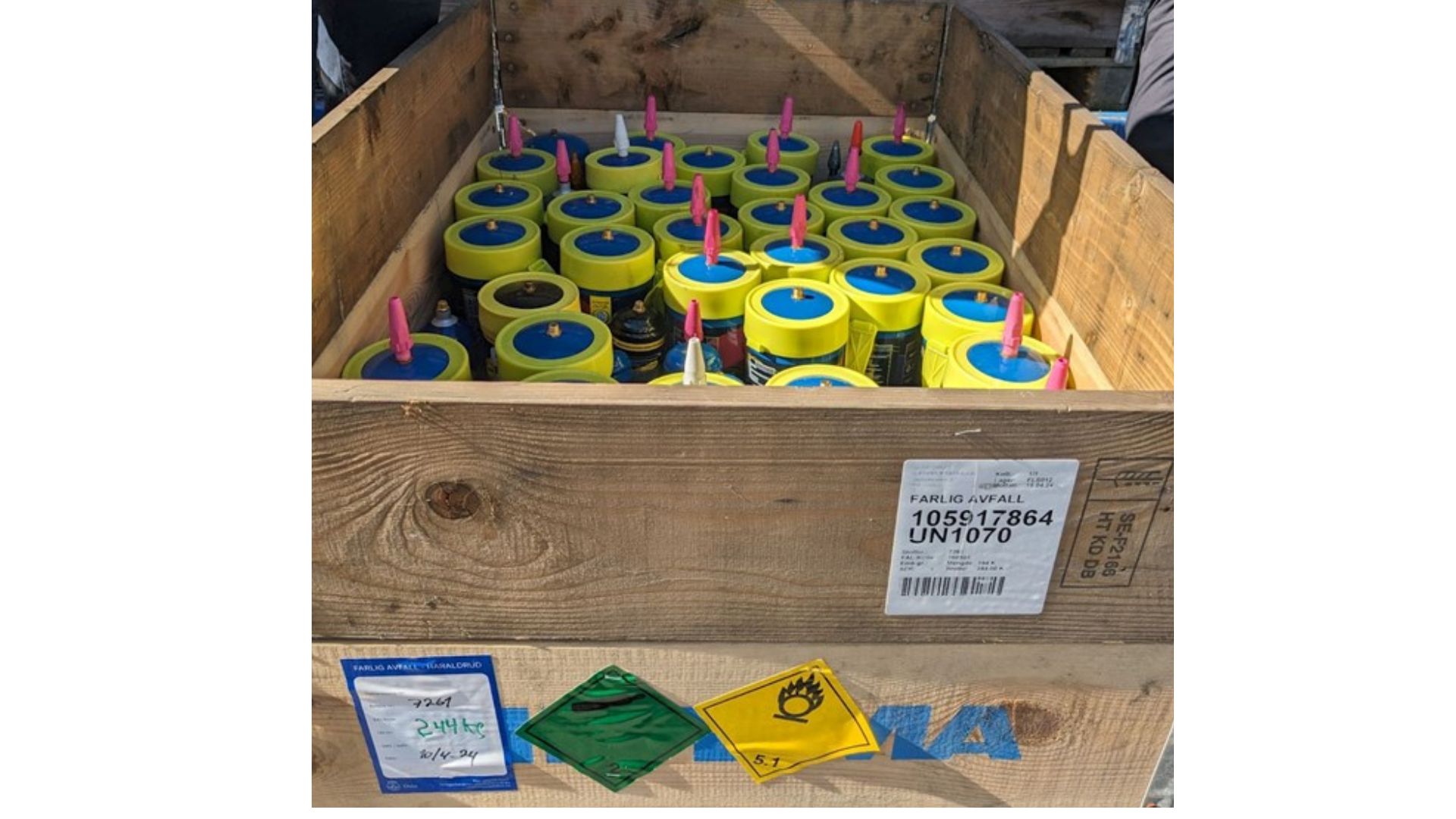
Norwaste jobber for tiden på vegne av Renovasjons- og gjenvinningsetaten i Oslo kommune med å utvikle et solid kunnskapsgrunnlag om hvordan man håndterer lystgass (dinitrogenoksid) i avfallssammenheng. Avfall fra brukte lystgassbeholdere, ofte brukt som rusmiddel, har opplevd en betydelig økning i kommunen nylig. Denne økningen har ført til flere utfordringer, inkludert forsøpling og risiko for eksplosjonsulykker som følge av feilsortering.
Vi ble kjent med problemstillingen med forsøpling av lystgassbeholdere allerede i 2022, da vi gjennomførte kartlegging av forsøpling i Oslo kommune. – sier Ine Geitung, prosjektleder for lystgassprosjektet fra Norwaste.
Eksplosjonsfare øker i forbrenningsanlegg
I 2022 var problemet langt mindre, og det ble kun funnet én beholder per 100 kg avfall i plukkanalyser. Problemet har imidlertid eskalert betydelig siden den gang. Bare i løpet av det siste kvartalet har Oslo kommunes forbrenningsanlegg opplevd over 90 eksplosjoner. Lystgassen er en trykkomprimert gass og utgjør en eksplosjonsfare når den utsettes for press eller høy varme. Disse eksplosjonene har forårsaket betydelige skader på anlegg som ikke bare er kostbare, men også unødvendige utgifter som innbyggerne i Oslo må bære.
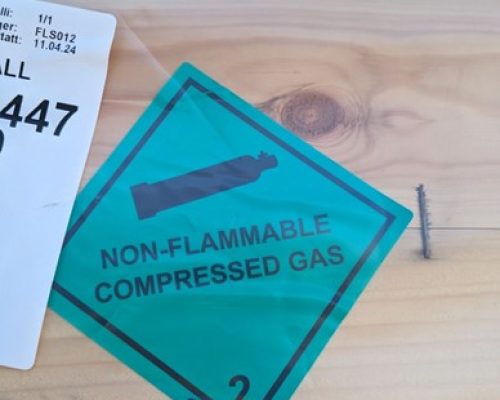
Det skal bare én gassflaske til for å gjøre stor skade, både i ulike avfallsanlegg og i renovasjonsbilene som får dem inn i lasten sin. Derfor er det kjempeviktig at disse flaskene ikke havner i avfallsbeholderne, verken hjemme eller ute. Det er en grunn til at de regnes som farlig avfall, og de skal leveres til en gjenvinningsstasjon eller andre godkjente mottak – opplyser Konrad Palmer, produksjonssjef i Renovasjons- og gjenvinningsetaten på deres nettsider
I prosjektet deltar også Toralf Igesund fra Norwaste, som har omfattende erfaring med å overvåke utviklingen av regelverk for avfallshåndtering. Han uttrykker bekymring for den potensielle spredningen av problemet dersom den betydelige økningen fortsetter i andre kommuner.
Vi har sett at bruk av lystgass som rusmiddel har spredt seg fra store byer i Europa til Oslo. Det er sannsynlig at resten av landet vil erfare det samme. Vi håper rapporten kan bidra til å opplyse kommuner og myndigheter og gi grunnlag for tiltak – Toralf Igersund.
Den glemte klimagassen
Det er viktig å erkjenne at lystgass ikke bare utgjør en trussel i form av eksplosjonsfare, men også som en betydelig klimagass. Med et globalt oppvarmingspotensial (GWP) som er 265 ganger høyere enn CO2, har lystgass alvorlige konsekvenser for klimaet. Foreløpige beregninger indikerer at bare én stor lystgassbeholder kan slippe ut ett tonn CO2-ekvivalenter.
Basert på data fra innleveringer til REG (Renovasjons- og gjenvinningsetaten) i fjor, ville dette tilsvare et utslipp på 4000 tonn CO2-ekvivalenter. Dette utslippet utgjør omtrent 8 % av det samlede utslippet av avfall og avløp kommunen hadde i 2022. Det understreker alvoret og behovet for å handle raskt og effektivt for å adressere denne problematikken.
Flere aktører engasjerer seg i reguleringstiltak
Avfall Norge er også engasjert i arbeidet med å adressere lystgassproblematikken. I 2023 arrangerte de et webinar, i samarbeid med blant annet Norsk Gjenvinning, som også står overfor den samme utfordringen med eksplosjoner fra lystgassbeholdere. Avfall Norge har tatt initiativ til å samle informasjon om utfordring og beskrivelse av nødvendig regulering
I det videre arbeidet med å etablere kunnskapsgrunnlaget vil Norwaste samle informasjon om mengder og kostnader forbundet med håndtering av avfall fra lystgassbeholdere. Det vil også være viktig å sammenstille informasjon fra andre europeiske land og byer. Dette kunnskapsgrunnlaget vil bidra til at REG raskt kan implementere tiltak for å forebygge skader. Det vil også bli utarbeidet et eksternt dokument som kan være til nytte for statlige myndigheter og andre interessenter.
Rapporten forventes å bli ferdigstilt i juni.
 EN
EN  NO
NO