NEW REPORT: COASTAL TRANSPORT AND CIRCULAR VALUE CHAINS FOR WASTE. HOW DOES THE CIRCULAR ECONOMY ALTER TRANSPORT NEEDS?

The transition to a circular economy is changing the transportation needs for waste and secondary raw materials. Are Norwegian municipalities prepared for this change?
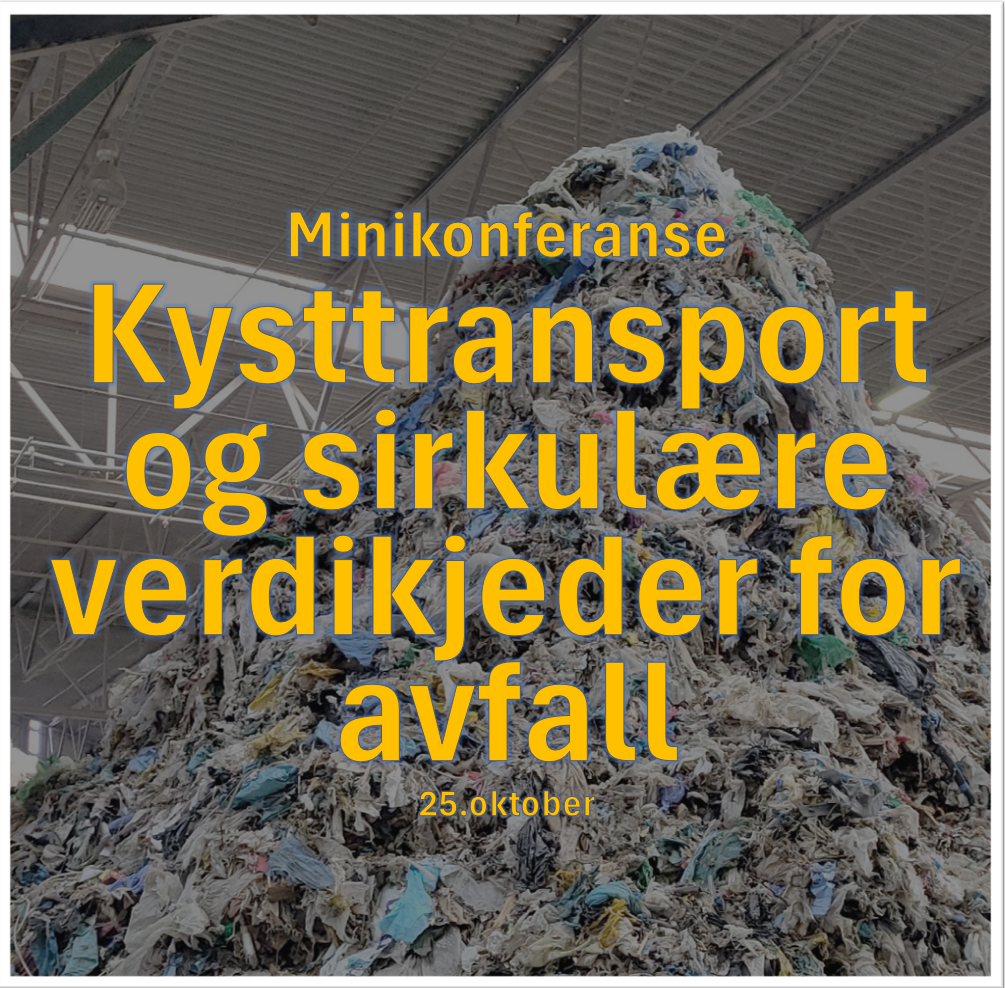
Mini-conference: Coastal Transport and Circular Value Chains for Waste

On October 25th, Norwaste and the Port of Oslo invite you to a conference on coastal transport and circular value chains for waste – Does the circular economy change transportation needs?

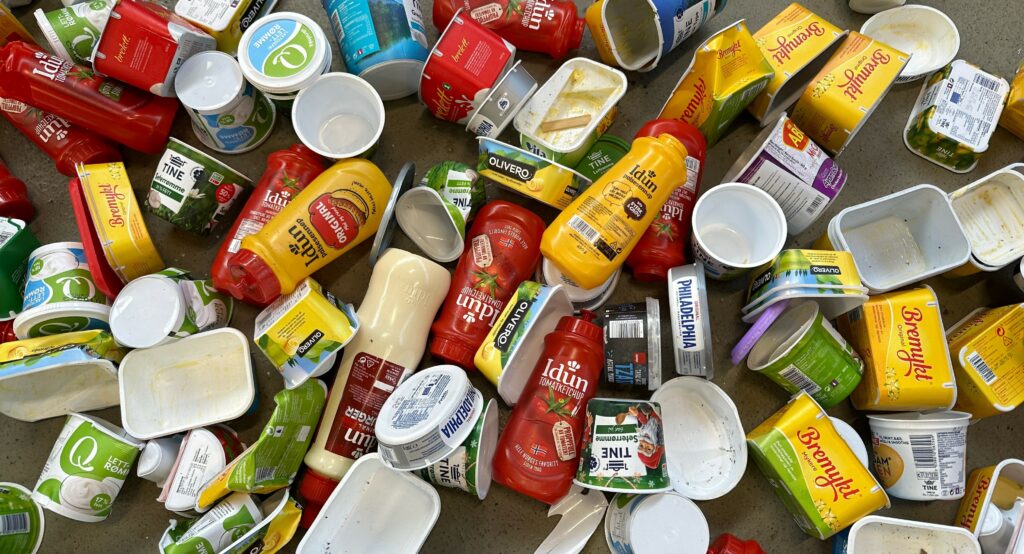
Plastic packaging is not just plastic packaging.

Norwaste has examined product residues in plastic packaging and the differences between plastic packaging from centrally sorted residual waste and source sorting.

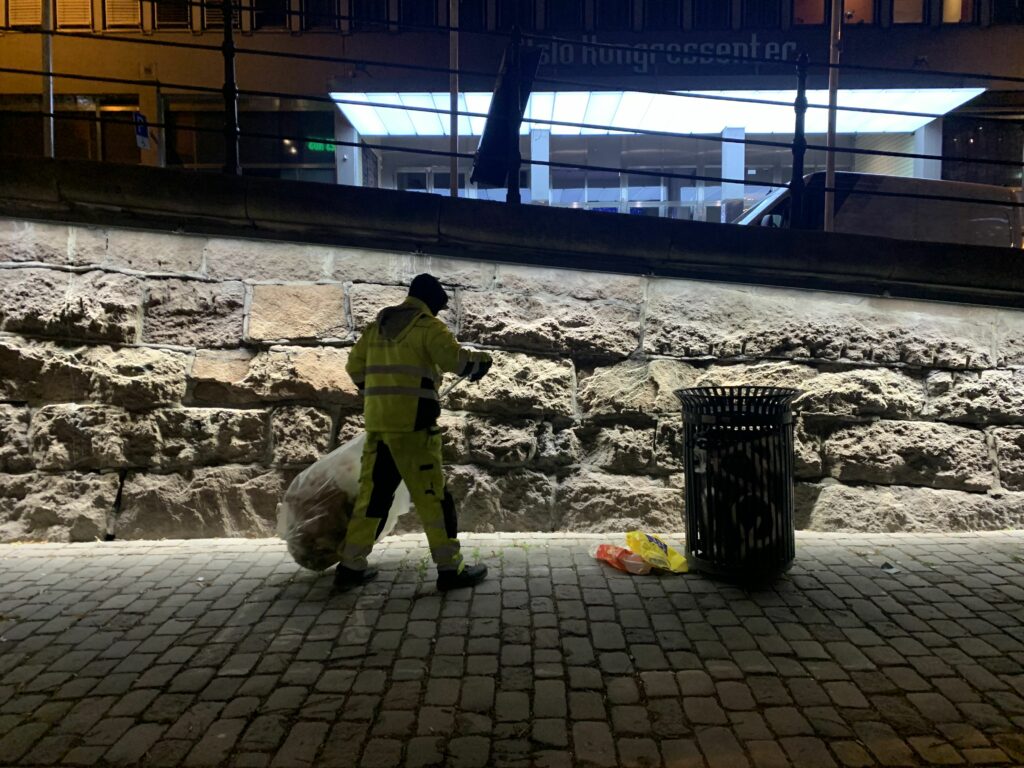
Norwaste has mapped the amount of litter being cleaned up in Oslo and the cost to the municipality.

370 tons of plastic litter are cleaned up annually under the auspices of the Oslo municipality. Half of this consists of single-use plastic. The costs for this will soon have to be covered by the producers.

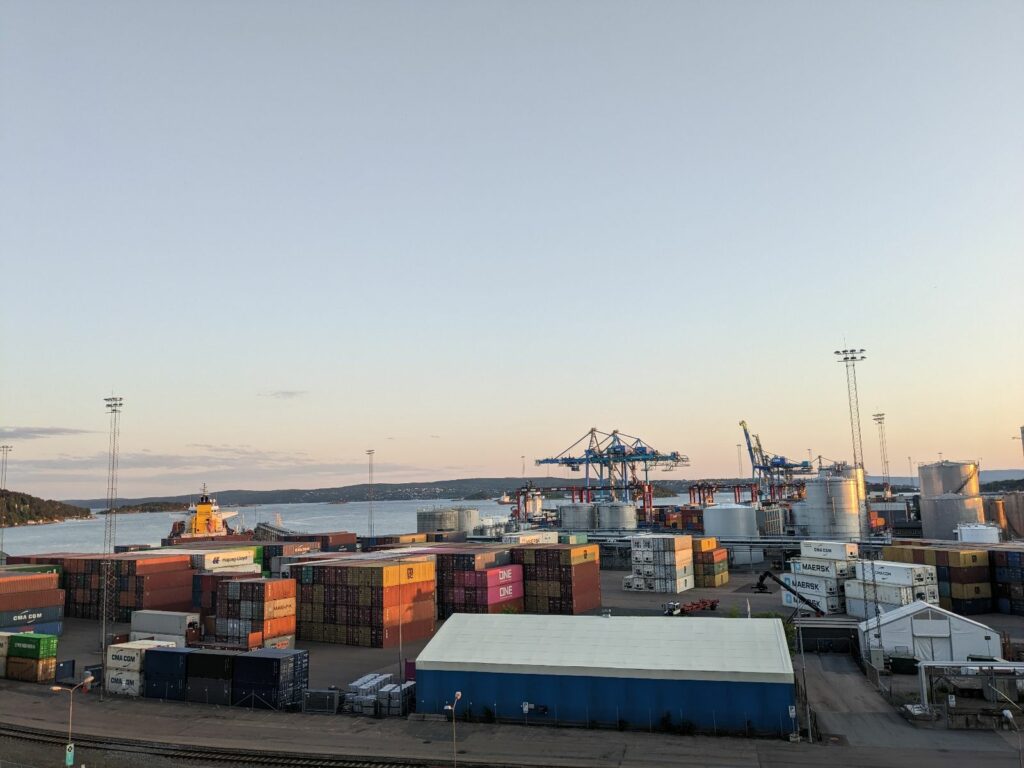
Does the circular economy lead to increased maritime transport?

Increased requirements for source sorting and post-treatment are changing transportation needs and value chains for waste streams. Norwaste is investigating the potential for collaboration between ports and waste holders to achieve cost-effective and climate-efficient logistics.